Rapé
Nixiwakas Songlines

Rapé

 
The Medicine
 

Drinking ayahuasca and using rapé is seen as a prayer and a communion with the forest, specifically the trees included in the blend.

Rapé is a tobacco snuff widely used by the native cultures of the rainforests, including the Huni Kuin tribe. They have been using it for generations, made with strong tobacco as its base and blended with the ash of a specific tree to achieve the desired consistency.

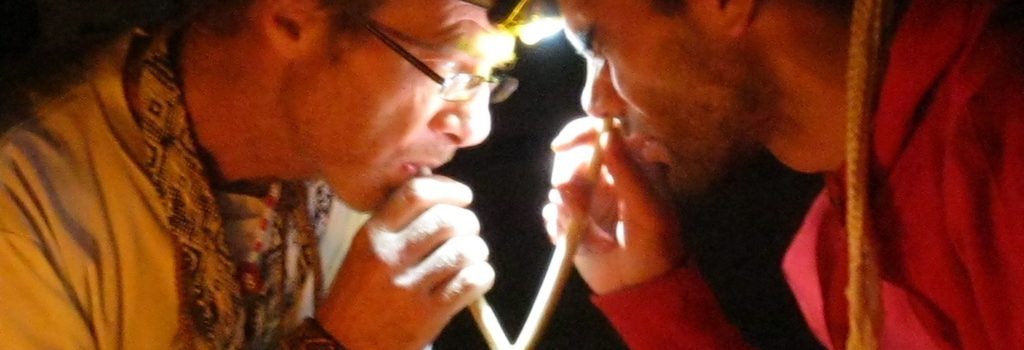
The rapé is applied to the nostrils using a pipe or “Tepee” by another person, producing a stimulating effect that can amplify spiritual experiences and have a lasting calming and grounding effect once the initial sensations pass.

 
In Ceremony
 
Passando rapé — sharing the medicine

Sharing rapé, or “passando rapé,” is a ritualistic practice among the Huni Kuin and can include specific chants to activate the force of the rapé and to confer the healing power of the forest upon the recipient.

During an ayahuasca ceremony, rapé is often offered to ground oneself into the present and to aid in feelings of disconnection from the body or haphazard visions. One’s relationship with rapé is similar to an apprenticeship with the Master Tree Teachers in the blend.

Rapé can be mixed with other mind-altering plants such as coca, jurema, or yopo, and can potentiate the healing capacity of other plants like ayahuasca.
Rapé ceremony

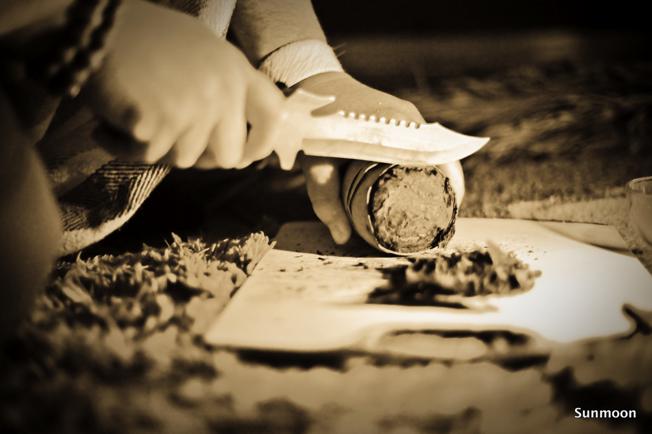
Cutting the tobacco

 
Effects & Benefits
 
Physical
Neurological stimulation

The use of tobacco-based rapé increases brain blood flow and affects the release of several stimulatory neurotransmitters, leading to antidepressant and stimulatory effects.

Mental
Focus & presence

It heightens focus, presence, and intuition, and opens the body to higher communication and holistic thinking. It helps release emotional, physical, and spiritual illnesses.

Spiritual
Grounding & clarity

Rapé eases negativity and confusion and enables a thorough grounding of the mind. In ceremony, it brings participants back into the body when visions become overwhelming.

Rapé pipe and medicine
 

“One’s relationship with rapé is similar to an apprenticeship with the Master Tree Teachers in the blend.”

A note on the sharing of this knowledge

The art of making rapé has been passed on to non-indigenous people, and rapé-making enthusiasts and groups can be found in parts of South America outside the Amazon. Its use has also been adopted by the Santo Daime communities and by Western facilitators of ayahuasca ceremonies. However, there is ongoing debate among the tribes and between elders and younger generations over the extent to which this knowledge ought to be shared with outsiders. This is a conversation Nixiwaka holds with great care and respect.

“Rapé helps release emotional, physical, and spiritual illnesses, eases negativity and confusion, and enables a thorough grounding of the mind.”