Preparation
Nixiwakas Songlines

Preparation

 
The Approach
 

Rather than solely relying on the shaman as the healer, the unity and focus of the community contributes to the healing process. This is the essence of Communal Shamanism.

Each person who participates in a ceremony plays an important role in the process. The ayahuasca ceremony involves more than just ingesting the plant material. It includes elements such as sound, light, and intent. It is the combination of these things that makes the ceremony so profound and mysterious.

We create a connection with nature and the forest. We do not use specific religious, cultural, or indigenous forms for ceremonies, choosing to honour all forms. We approach medicine with an open heart and mind, free from dogma attached to religion, culture, or tradition. We seek new answers to new questions and thus create a safe container for the participant to process their healing or insight.

 
The Container
 
The ceremony container

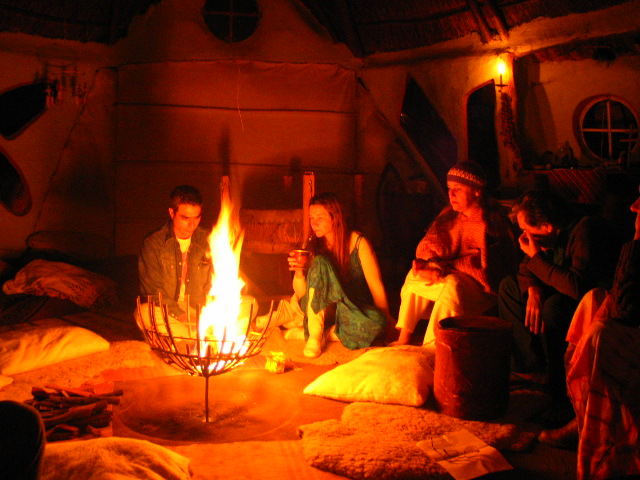
The ceremony space — prepared with intention

Creating a safe and transformative space

The container created for the ceremony is held by a core of two to four people depending on the size of the group. The crew holding the ceremony are used to working together and, by respecting each other’s space, can bring their medicine into the circle when the time is right.

To create a space where we can move from the mind to the heart during a ceremony, we must agree on the structure beforehand. This structure allows us to follow a familiar pattern, which in turn creates a feeling of safety and allows participants to go deeper.

Once settled in your place, it is recommended that you remain there for the duration of the ceremony. While it is acceptable to leave for necessary reasons, we ask that you return as soon as possible.
 
Guidelines for Participants
 
01
Stay in your place

Once settled, remain in your place for the duration of the ceremony. Returning quickly after any necessary absence helps maintain the container for everyone.

02
Mindful sound

Be aware of the impact your sounds can have on others. Loud or sudden sounds can be jarring and disrupt the journey. Move and vocalise with care.

03
No unnecessary talking

Talking brings focus back to the mind and can disturb those nearby who may be in a different process. During the ceremony, there will be many silent spaces to connect with the medicine.

04
Honour the silence

No thank yous, clapping, or acknowledgements after songs. Silence in these spaces is the best way to honour the experience. The quiet itself is part of the medicine.

Ceremony space detail Ceremony preparation Sacred space

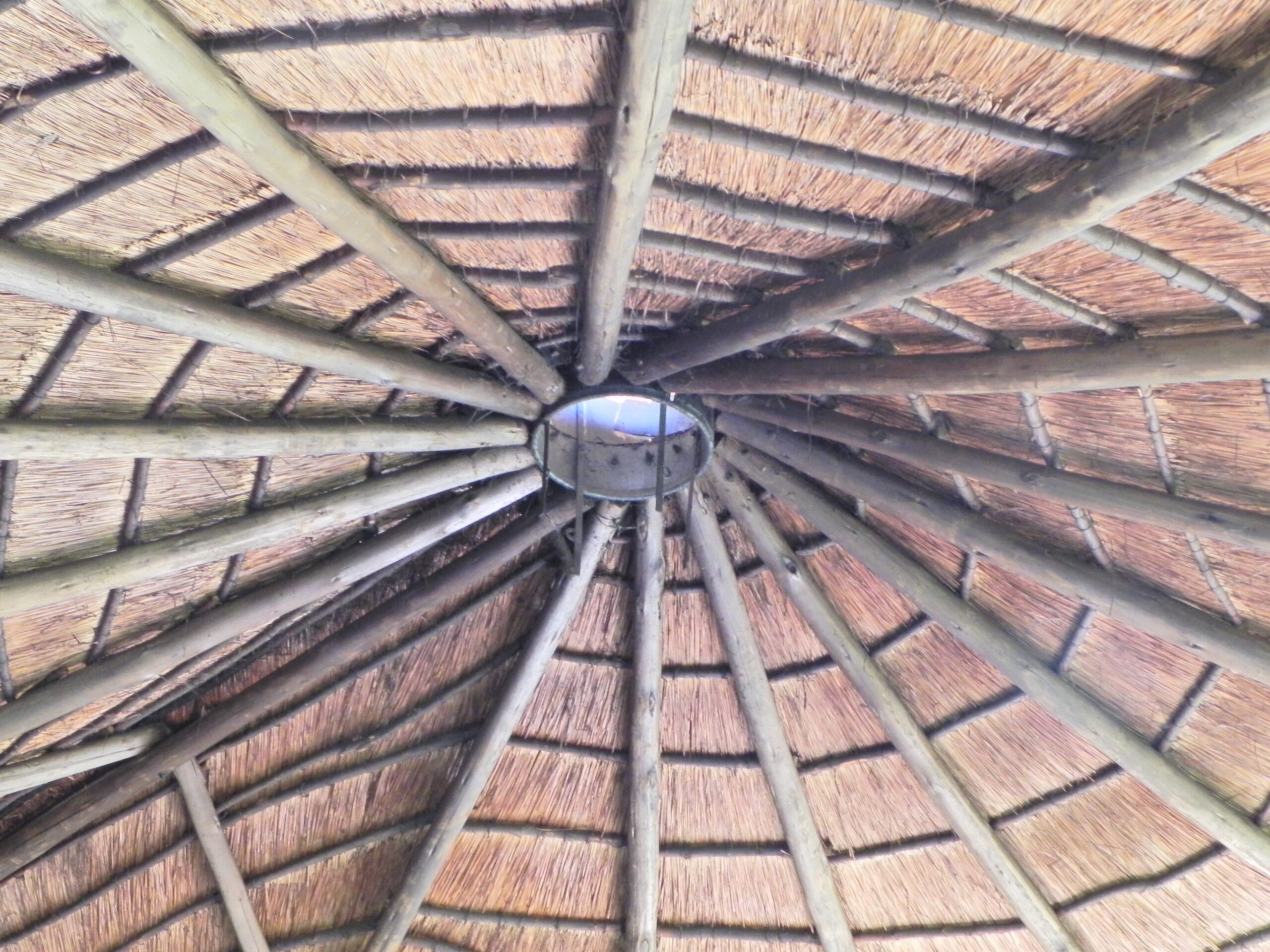
The ceremony space — Costa Rica

 
Instruments Used in Our Ceremonies
 
Chakapa

A percussion instrument made from the leaves of the Pariana stenolemma palm fronds. Used in ceremonies for healing and to create a calming atmosphere, played in conjunction with medicine songs and icaros during the first two-thirds of the ceremony.

Marakas

Commonly used to maintain the rhythm of the songs. Only one maraka is recommended to maintain the pulse and create a harmonious atmosphere. If a second is used, sensitivity is essential to avoid overpowering the leader.

Didgeridoo

Popular in ceremonies due to the harmonics it creates, which are similar to the vibration of icaros. Usually played when the medicine is strong or at the beginning of the ceremony.

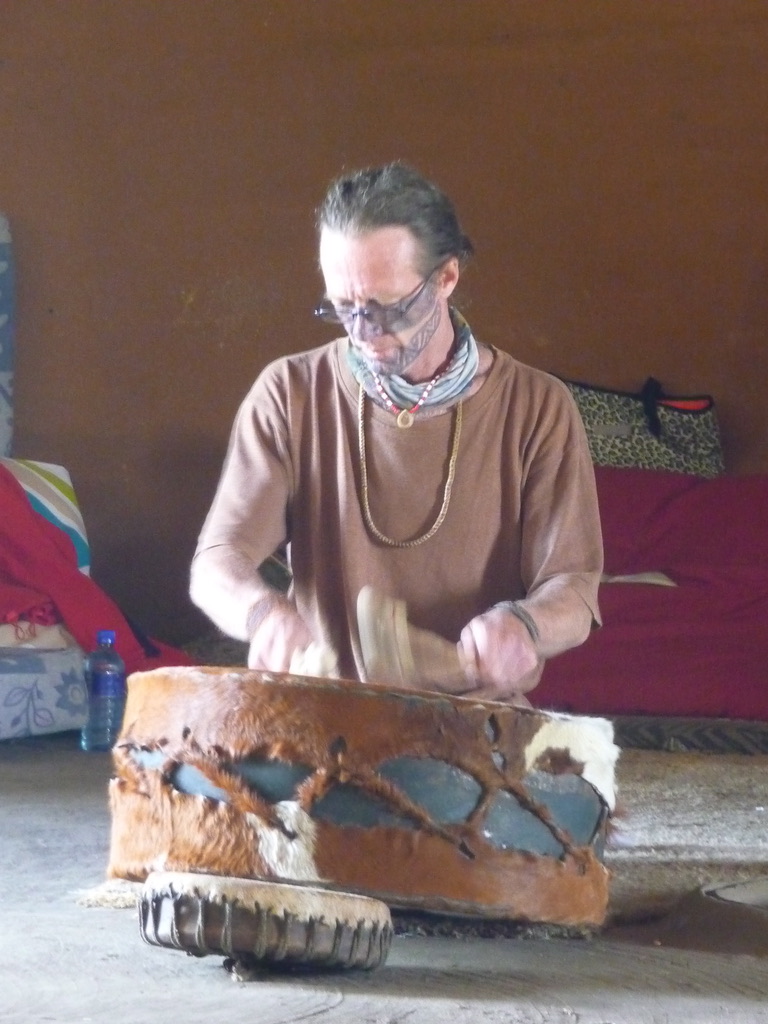
Shamanic Drum

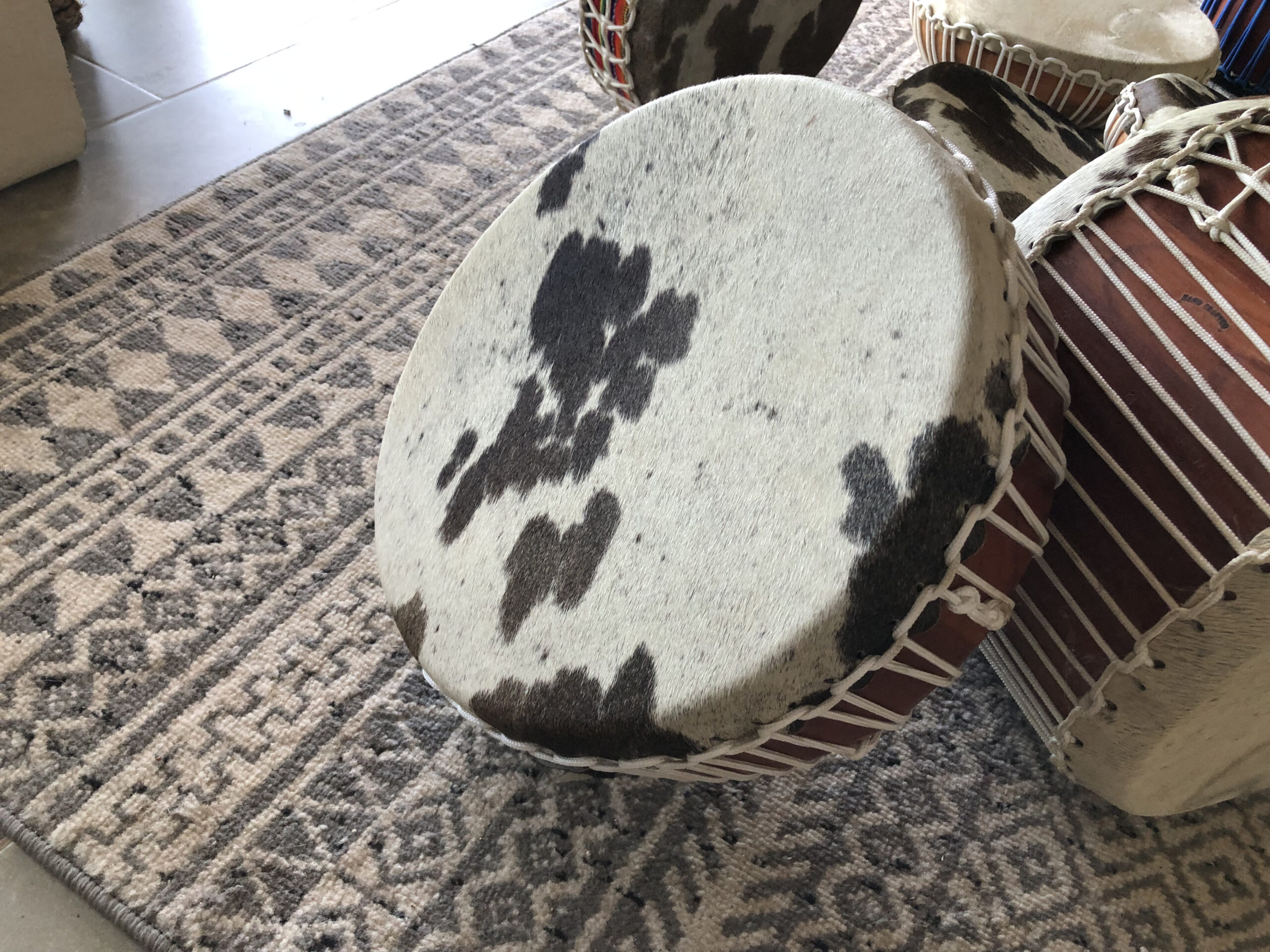
Sometimes introduced later in the ceremony when the Red Path, African, or songs from other cultures are played. The drum carries the heartbeat of the earth into the ceremony space.

Flutes

Often used when flute players participate in the ceremony. There are various places in the ceremony where the flute can be woven in naturally and beautifully.

Guitar

A relatively new addition, not a traditional instrument. However, guitars have become integral to the culture of traditional forest peoples and are used for sacred songs from Amazonian tribes later in the ceremony.

Other Instruments

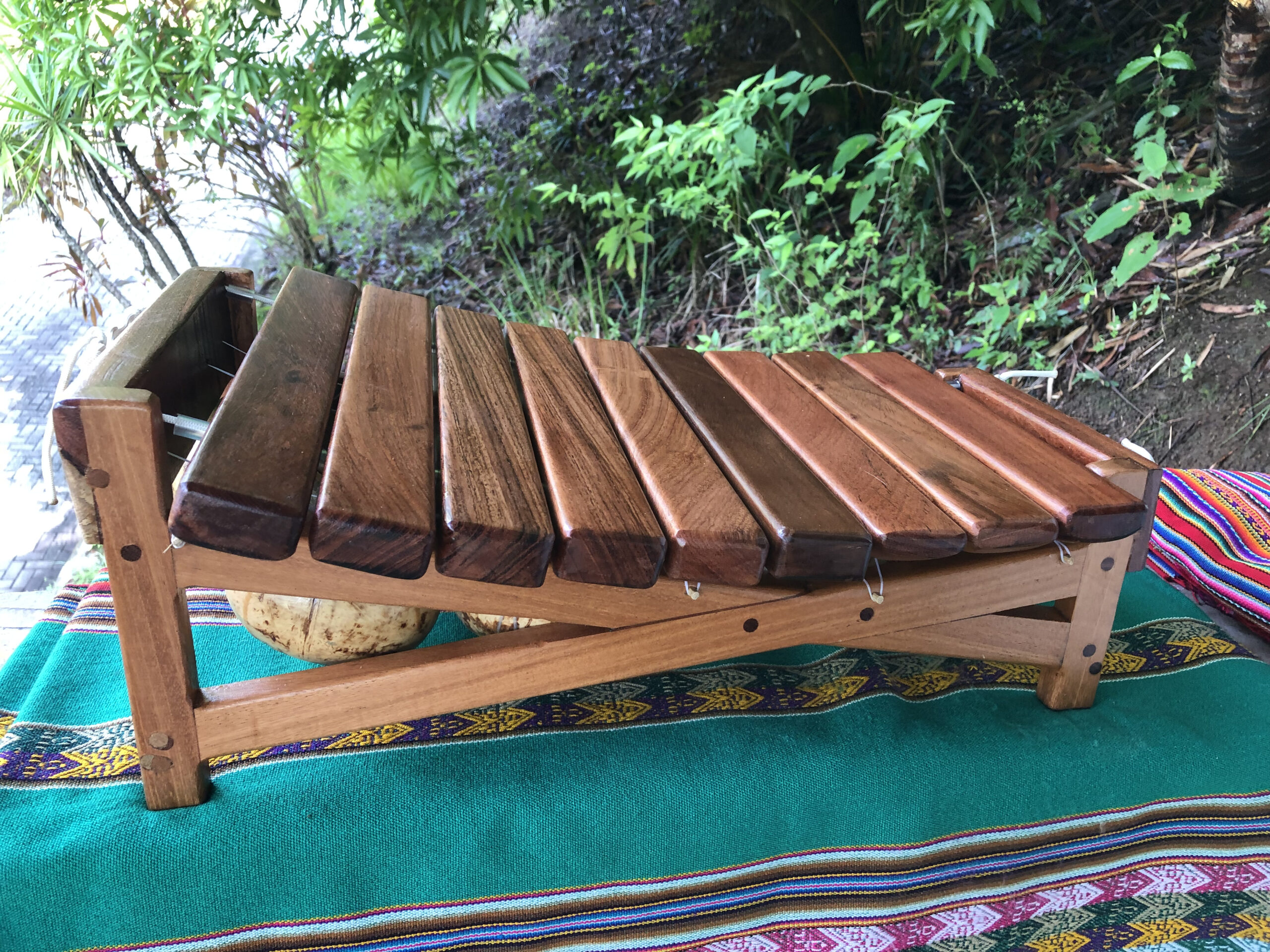
Marimba, Tibetan bowls, mouth bows, balafon, berimbau, and mbiras are sometimes used. If you wish to bring an instrument, please check with the facilitator beforehand to coordinate songs and ensure appropriateness.

Ceremony in session
 

“We must approach medicine with an open heart and mind, free from dogma attached to religion, culture, or tradition.”

“By following these guidelines and respecting the needs of others, we can create a safe and transformative space for everyone involved.”