He arrived at 4 a.m., just as Venus, the Morning Star, began to rise in the sky. We never made it back to the birthing pool in the house.
It was Saturday night, the first of February 2003. Philippa and I were expecting our child to arrive any day now. We had done all the preparations necessary for a water birth in our home at Rustlers Valley, in the Marimba House that I had built.

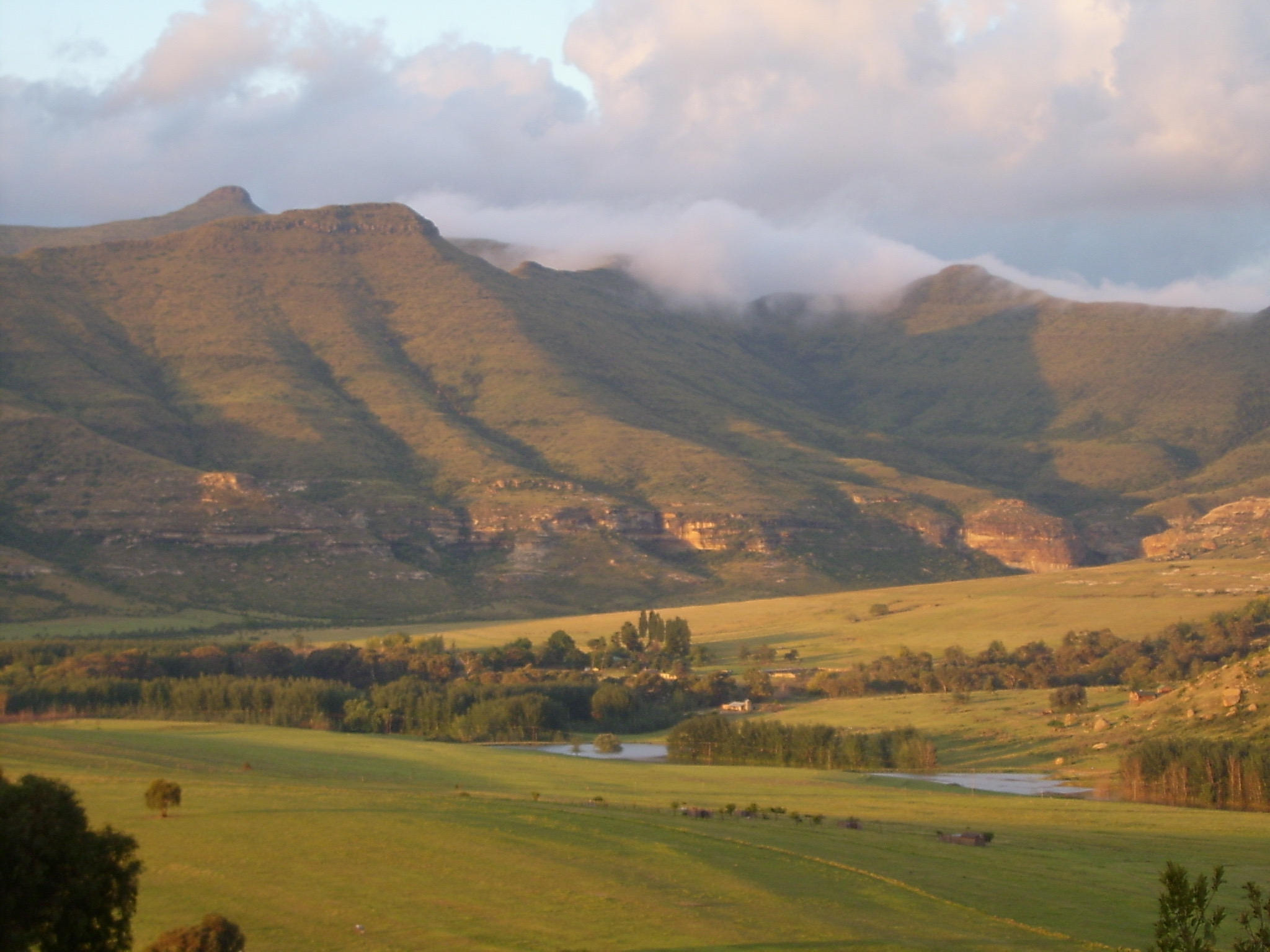
Marimba House and the landscape of Rustlers Valley, South Africa
We were living an organic, off-the-grid lifestyle, committed to a natural approach to childbirth. We were against vaccines or injections and resisted mainstream medical interventions. We chose no medication unless it was an absolute emergency. Despite warnings from some hospital doctors about the risks of a home birth so far from medical facilities, we followed the guidance of two inspiring books.
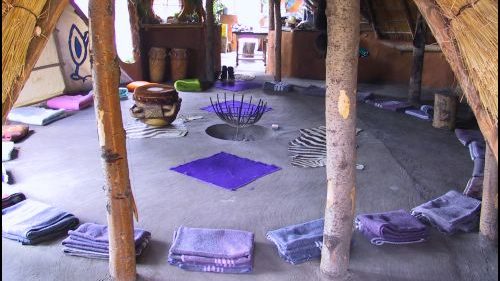
We had been tracking the dates carefully and felt confident the baby would arrive soon. Our local doctor was on standby, and a friend experienced in midwifery was staying with us for the week. Everything was in place: we had hired a portable birthing pool and set it up in the centre of the ceremony room at Marimba House. I had installed a water tank above the house with a boiler to heat the water, and we had all the recommended accessories ready.
Early Sunday morning, around 2 a.m., Philippa woke me. She was feeling contractions and suggested I start warming the water for the birthing tank and the garden bath outside. She remained calm, with mild contractions, so we felt we had plenty of time. I prepared raspberry tea, she had been drinking it for days to ease the process, and we headed down to the garden bath, now hot and steaming.
The night was breathtaking: a clear sky filled with stars, the moon illuminating the landscape. Our circular garden sat on the mountain slopes overlooking the spectacular Rustlers Valley. A herd of about 25 cows grazed nearby, mooing and bellowing loudly as they tried to coax a calf through the fence.
We stood there, next to the fire-heated bath in these peaceful, spectacular surroundings, feeling completely at ease and prepared. But our child had other plans. Philippa stood up and grasped my shoulders as the baby began to emerge. I shouted for our midwife friend to come down from her hut, she had been sleeping, but our calls were drowned out by the cows’ noise. She eventually heard us and rushed down just in time to assist.
The baby was a boy, born right there on the grass outside the Sweat Lodge, on a small towel. We never made it back to the birthing pool in the house. He arrived at 4 a.m., just as Venus, the Morning Star, began to rise in the sky.
The doctor arrived about half an hour later, and there were no complications. No medications needed.
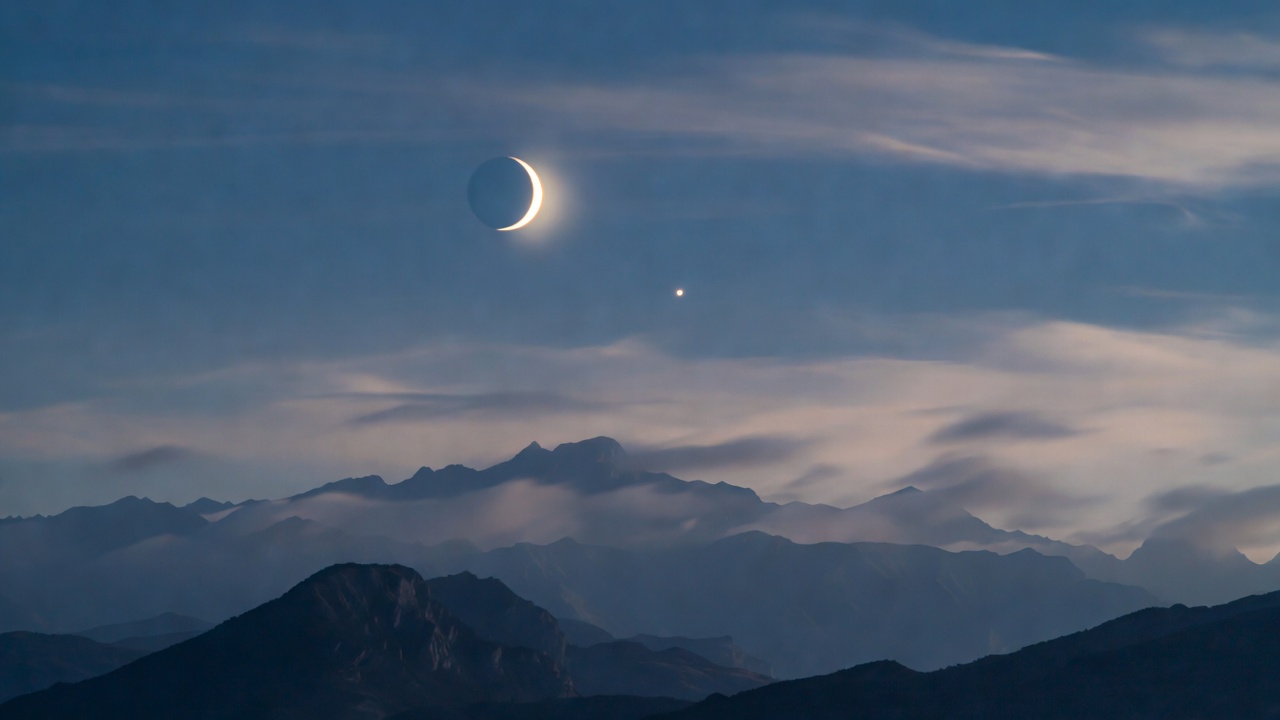
We had decided not to name our child before the birth, nor to know the gender in advance. It would be a surprise, and we wanted to meet him first. The local Sesotho people named him Mphatlalatsane on the day of his birth, the Sesotho word for the Morning Star, Venus, rising as he was born.
At the time I was working with the Native American medicine wheel and its four directions, and I wanted a name for my son that was connected to the four directions in a global sense. We chose to call him Adam, A-D-A-M, from the Greek words for the four directions: Anatole, the East; Dysis, the West; Arktos, the North; and Mesembria, the South. Together as parents we enjoyed the sound of it, a strong name at the centre of the four directions.
Because of his Sesotho name, the local people knew him as the Star Child. My friend Yawa Bane later called him Bixinawa, meaning the new star. His mother would agree that as parents, we see him as the star child too.
A month later, we introduced “Adam Mphatlalatsane Stirling-Mallac” to our friends and family.

Adam Mphatlalatsane, the Morning Star
Born on the grass outside the Sweat Lodge, under the stars,
as Venus rose in the sky above Rustlers Valley.
Adam Mphatlalatsane Stirling-Mallac
2 February 2003 · 4:00 a.m.
Writing these stories takes time. If they mean something to you, you can support my writing here.