
In 1993 I was a photographer in Cape Town. I had a studio, cameras, darkrooms, years of work on the walls. Then a fire took it. Everything I owned, everything I had built a career out of, gone in a day.
I did not know it yet, but that fire was the first lesson in a teaching I would spend the rest of my life living out, whether I chose to or not.
The Giveaway
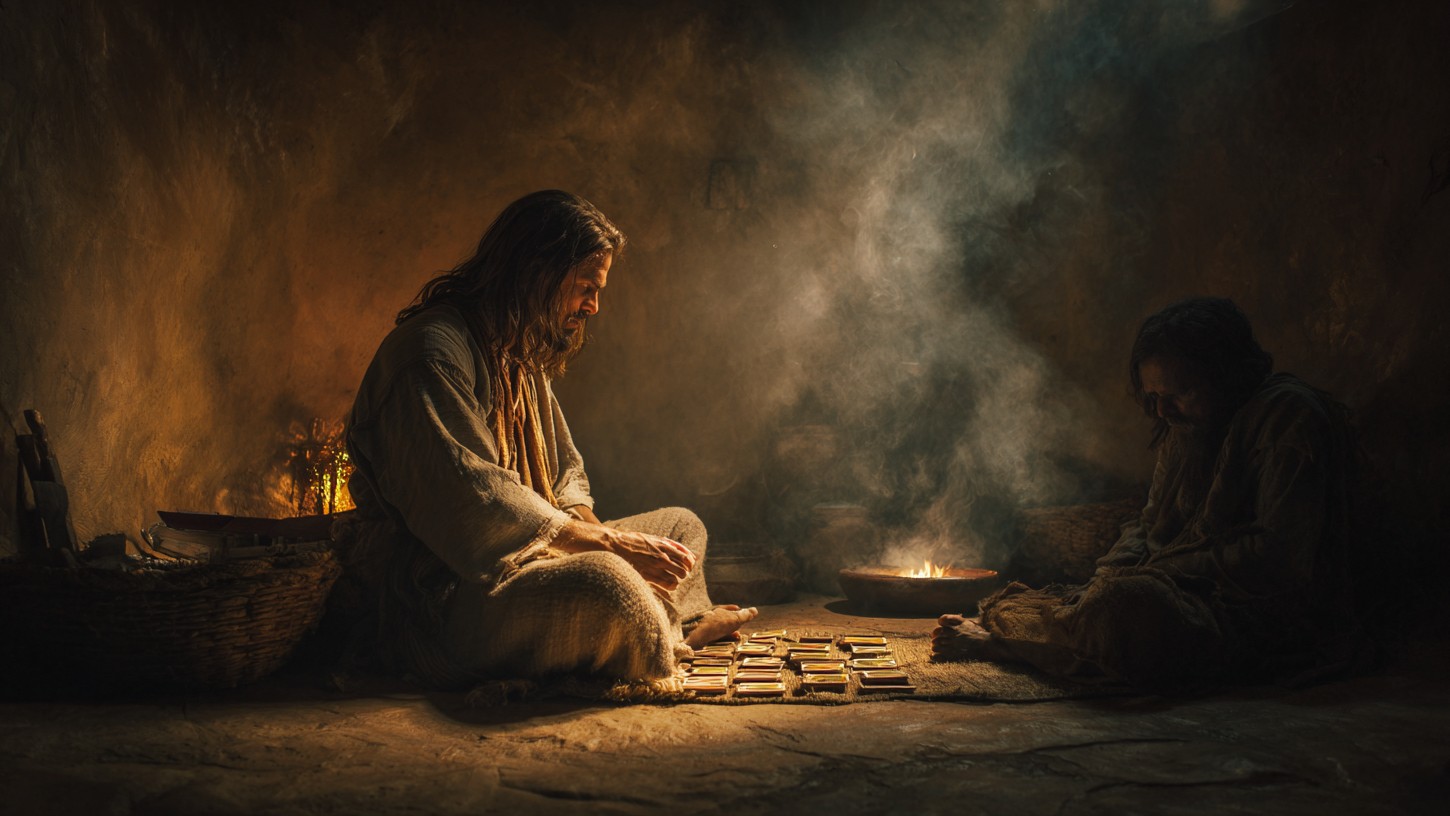
After the studio burned, I left my photography career behind. Went into the mountains and lived in a tipi, the way a Native American of the plains once might have. I owned almost nothing. A fire to sit around. A drum. Some blankets to sleep on. That was the whole of it, for six years.
There is a Native American tradition called the giveaway, where a person gives away what they own, sometimes everything they own, as an act of honoring something greater than possession. I did not perform a giveaway ceremony, but I lived one for six years, without fully understanding what I was living.
There is a word for this in Buddhism: Anicca. It names the first of the three marks of existence, the truth that all things, without exception, are impermanent. It is simply a description of how things are. A drum, a house, a career, a body. None of it was ever built to last, and the suffering comes from believing it would not end.
I did not know the word Anicca when I was living in that tipi. I only knew that owning nothing felt like a kind of freedom. Looking back now, I was practicing something before I had a way to describe it.
Marimba House

Eventually I stopped living in the tipi and began to build. Marimba House rose in the Maluti Mountains, a home with a kitchen and a round room for ceremony, named for Princess Marimba from Credo Mutwa’s book “Indaba My Children”. Credo Mutwa himself initiated the space on the Grand Planetary Alignment in May of 2000.
This is where the teaching became complicated, because a place for ceremony is still a place, and a place gathers things. Pots and pans, a fridge, mats, drums, gongs, marimbas, didgeridoos. None of it was extravagant. We cooked on fire and gas, ate from an organic garden, earned very little, kept little that resembled the modern world beyond a sink and a stove. But it was more than a fire and a blanket in a tipi. I had, without quite noticing, moved from owning nothing to owning a life.
For me, this was the practice meeting real life. Holding ceremony for other people requires walls and instruments and a kitchen, whether or not you have fully let go of wanting things.
In September 2007, after a ten-day Santo Daime ceremony had just ended, Marimba House burned. My partner and I were in Johannesburg for a final ceremony, and the next day the fire took the valley. We arrived after dark to find it a smoldering ruin: the round mud walls, the wattle frame, the musical instruments, all of it gone. The floors that had absorbed nine years of drumming, ceremony, plant medicine, and sacred dance, gone with it.

Two structures were left standing. The sweat lodge. And the Starseed, the ceremonial space, already under construction alongside Marimba House before the fire came. The ground around the sweat lodge had been cleared of grass, and the fire moved around the Starseed, through everything else. We slept there that night, among the ruins of everything else.
I have thought about that many times since. I have no explanation that would satisfy someone who needed one. What I know is that the ground beneath our feet held us the way it always had.
Sunmoon

I rebuilt because the Starseed and the sweat lodge were still standing, and because a life spent honoring ceremony does not end simply because the walls around it did. Sunmoon Lodge rose around the Starseed: guest huts, a kitchen, a double-storey mud hut to live in (just because it was said that building a double-storey hut from mud and dung is not possible).
Sunmoon Lodge did not burn. It ended a different way. The farm on which Marimba House and Sunmoon had stood was sold. I was evicted from land I had lived on and built on for twenty years. There was no fire this time, no dramatic ruin to walk through in the dark. Just a sale, and a departure, and the same lesson appearing again in legal paperwork instead of flames.
Pachamama

From there I moved to the Knysna Forest and built something new again: Pachamama, a small community of permaculture volunteers around a Maloka I built with my friends, ceremony held inside it. That dream ended with COVID, though that is its own story, one I will come back to.
Costa Rica

From there I made my way to Costa Rica, and the five years since have held their own chapters, their own building and losing, their own lessons still waiting to be written. Those are stories for another time.
What I can tell you now is where they have brought me. I live in a small cabin. I have some tools. Some wood. My dog, Aquila. I owe nothing. I do not have a bank account. I make very little, but enough to keep going. I am sixty-three years old, and I have not held a job since I was thirty-one, the year I first arrived at Rustlers Valley.
Five times now, in one form or another, I have built a place, watched it fill with the things a life gathers, and lost it. A studio. A tipi. Marimba House. Sunmoon. Pachamama. Each time I began again with less certainty about what I was meant to hold onto, and less attachment to holding onto anything at all.
What Doesn’t Burn
Anicca is sometimes translated simply as impermanence, and the deeper teaching is that suffering comes from the belief that something should not end. The building was the practice, and the losing was the practice, and neither one was ever separate from the other.
What has never burned is what stood inside the structures while they lasted: the ceremony, the fire, the drum, the people who came and were changed by what they found there, and beneath all of it, the ones who came before me and taught me, without my always knowing it, how to let a thing go without letting go of what it was for.
Anicca does not require a fire. It only requires time. What I have left is what was never mine to lose.
Writing these stories takes time. If they mean something to you, you can support my writing here.